Clandestine: The Script Font of Sophistication
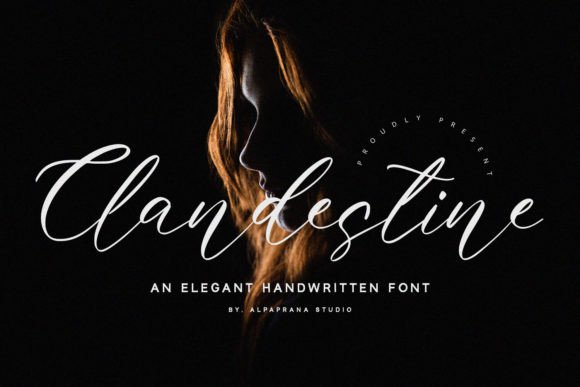
In the realm of graphic design, the right typeface is not merely a choice; it is the voice of your project. Enter Clandestine, a dazzling script font that seamlessly blends mystery with elegance. Its intricate swirls and exquisite letterforms exude a level of sophistication that can elevate any visual concept. For designers seeking to add a touch of allure to their work, Clandestine offers a unique solution, perfect for luxurious branding, upscale invitations, and impactful editorial design. Unravel the secrets of style with Clandestine, where each glyph whispers tales of intrigue and refinement.
The Role of Clandestine in Modern Visual Communication
In today's saturated market, brand identity relies heavily on distinctiveness. Clandestine addresses this need by providing a typographic voice that is both personal and authoritative. Unlike standard sans-serifs, this script font introduces a human element, evoking emotion and craftsmanship. It serves as a powerful tool in your design workflow, allowing you to create visual hierarchy that draws the eye to key messages without overwhelming the viewer.
Effective typography is about more than just aesthetics; it is about communication. Clandestine excels in scenarios where you need to convey exclusivity and premium quality. Its modern aesthetics ensure it does not feel dated, making it a versatile asset for contemporary creative projects.
Practical Applications for Designers and Creators
The versatility of a high-quality script font allows it to be deployed across various mediums. Whether you are working on digital marketing assets or physical print design, Clandestine adapts to the context. Here are several ways to integrate this font into your work:
- Branding and Logo Design: Use Clandestine to create a memorable wordmark that feels bespoke and high-end. It is particularly effective for lifestyle brands, boutique agencies, and luxury goods.
- Packaging Design: On physical products, the intricate details of the font can catch the light and the eye, suggesting that the contents are just as carefully curated as the exterior.
- Social Media Graphics: In a fast-scrolling environment, elegant typography stops the thumb. Use it for quotes, announcements, or headers to establish a sophisticated tone on platforms like Instagram and Pinterest.
- Editorial Layouts: In magazines or lookbooks, Clandestine can serve as a striking headline font, contrasting beautifully against clean body text to create a dynamic reading experience.
- Web Design and UI: While script fonts should be used sparingly in UI design for readability, Clandestine is perfect for hero sections, landing page headers, or decorative accents that guide the user journey.
Integrating Typography into Your Design Workflow
When incorporating a distinctive font like Clandestine into your visual design toolkit, strategic implementation is key. Typography does not exist in a vacuum; it interacts with your color palette, imagery, and layout structure.
Tips for Effective Implementation
- Prioritize Readability: While the swirls are beautiful, ensure that your text remains legible at the intended size. Avoid using Clandestine for long blocks of body copy; save it for headlines and focal points.
- Pair with Simplicity: To let Clandestine shine, pair it with a clean, neutral sans-serif or serif font. This contrast prevents the design from becoming cluttered and maintains a professional presentation.
- Consider Scalability: Test the font across different devices and print sizes. A font that looks great on a billboard needs to maintain its charm on a business card or a mobile screen.
- Respect the White Space: Elegant fonts require breathing room. Generous margins and padding allow the intricate letterforms to be appreciated fully, enhancing the user experience.
Choosing the right creative assets is a fundamental part of the design process. A resource like Clandestine offers more than just letters; it offers a mood and an atmosphere. By selecting typography that aligns with your project’s narrative, you strengthen your ability to communicate complex ideas through visual design