Delphia: The Elegant Script Font for Modern Design
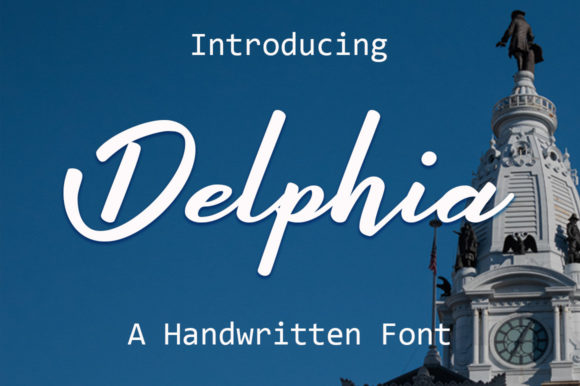
Every designer knows the struggle of finding a typeface that balances timeless elegance with contemporary appeal. Delphia emerges as a compelling solution—a script font that marries classic calligraphy's grace with modern design's clean demands. Its balanced weight and impeccable form make it a versatile tool for projects requiring sophistication without sacrificing readability.
Understanding Delphia's Design Philosophy
Delphia isn't just another script font. It was crafted with intentional proportions—neither too thin nor too thick—creating visual harmony across various applications. This balance ensures it maintains legibility at smaller sizes while retaining its elegant character when displayed prominently. The font's contemporary atmosphere stems from subtle refinements to traditional calligraphic strokes, resulting in a typeface that feels both familiar and fresh.
For graphic designers, this represents a significant advantage. Typography choices directly impact visual hierarchy, brand perception, and user engagement. A font like Delphia can elevate a design from ordinary to memorable, especially when used strategically within a broader visual system.
Practical Applications Across Design Disciplines
Delphia's versatility makes it suitable for numerous creative projects. Here's how it can enhance different design contexts:
- Branding and Logo Design: The font's elegant character can establish a premium brand identity, particularly for businesses in fashion, beauty, hospitality, or luxury services. Its script style adds a personal touch while maintaining professionalism.
- Marketing Materials: From brochures to digital ads, Delphia draws attention to headlines and key messages. Its varied letterforms create visual interest that can improve engagement rates.
- Social Media Graphics: The font's balanced weight ensures readability on mobile screens while adding personality to quotes, announcements, and promotional content.
- Web and UI Design: When used judiciously for headings or accent text, Delphia can soften digital interfaces and create focal points that guide user attention.
- Editorial and Packaging Design: Its classic inspiration makes it suitable for book covers, magazine layouts, and product packaging where elegance communicates quality.
Integrating Typography into Your Design Workflow
Successful implementation of any typeface requires thoughtful integration with other design elements. Consider these practical approaches when working with Delphia or similar script fonts:
First, establish clear visual hierarchy. Use Delphia for primary headlines or key phrases, paired with a clean sans-serif for body text. This contrast improves readability while maintaining visual interest. Second, consider your color palette—script fonts often work best with sophisticated color combinations that enhance their elegant characteristics.
Third, test scalability across different media. What looks beautiful on a desktop screen might become illegible on a mobile device if not properly sized. Finally, ensure consistency across all brand touchpoints. Typography should reinforce your brand identity whether appearing on a business card, website, or social media profile.
Evaluating Typography for Professional Projects
When selecting typefaces like Delphia, consider these factors:
- Readability vs. Style: Balance aesthetic appeal with functional clarity. The most beautiful font fails if users cannot read your message.
- Compatibility: Ensure the typeface works with your existing design system, including color schemes, imagery style, and other typographic choices.
- Emotional Alignment: Typography communicates mood. Delphia's elegant script suggests sophistication, creativity, and attention to detail.
- Technical Performance: Consider file formats, loading times for web use, and compatibility with design software.
In today's competitive design landscape, every visual element contributes to your project's success. Thoughtful typography selection represents one of the most impactful decisions a designer can make. Quality creative assets like well-crafted typefaces don't just enhance aesthetics—they strengthen communication, build brand recognition, and create more engaging user experiences. By choosing resources that balance beauty with functionality, designers can create work that resonates with audiences while achieving practical objectives.