Histogram: The Casual Script Font for Authentic Design
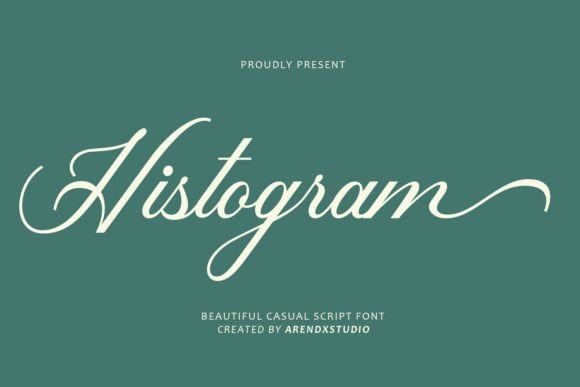
In a digital landscape saturated with polished perfection, the authentic warmth of a handwritten style can be a powerful differentiator. This is where the Histogram casual script font enters the conversation, offering a relaxed and informal typeface designed to emulate the natural flow of human handwriting. Its casual and flowing letterforms, characterized by smooth curves and relaxed strokes, instantly inject a sense of informality and spontaneity into any project, making it an invaluable asset for designs that demand a laid-back and friendly vibe.
Why Typography Choice Defines Modern Brand Identity
Typography is far more than just selecting letters; it is the voice of your visual design. Choosing a typeface like Histogram is a strategic decision in graphic design that directly influences brand identity and user experience. While geometric sans-serifs suggest modernity and serifs imply tradition, a script font communicates personality. It humanizes digital interfaces, making brands feel approachable and relatable. This shift toward human-centric visual communication is a dominant trend in modern aesthetics, helping businesses connect with audiences on an emotional level.
Strategic Applications for Histogram
The versatility of a script font lies in its ability to adapt to various creative projects without losing its distinct character. Histogram’s relaxed nature makes it suitable for a wide range of applications where clarity of tone is just as important as clarity of text.
- Branding and Logo Design: Histogram excels in creating memorable logos for lifestyle brands, boutique shops, and creative agencies. It suggests craftsmanship and personal attention, which is vital for building a unique brand identity.
- Social Media Graphics: On platforms like Instagram and Pinterest, visual hierarchy is key. Using Histogram for headlines or quotes breaks the monotony of standard system fonts, increasing engagement and stopping the scroll.
- Packaging Design: For products in the food, beauty, or artisan sectors, this font adds a tactile quality to packaging design. It mimics the look of a personal note, enhancing the unboxing experience.
- Web and UI Design: While body text requires high legibility, Histogram can be used sparingly in UI design for call-to-action buttons, hero section quotes, or accent text to soften the user interface.
- Editorial and Print: In editorial design, such as magazines or invitations, it serves as a perfect accent font for pull quotes or subheadings, adding a touch of elegance and flow to the layout.
Integrating Script Fonts into Your Design Workflow
Successfully incorporating a casual script like Histogram into your design workflow requires a thoughtful approach to visual hierarchy and readability. Because script fonts are inherently more decorative, they function best as display type rather than body copy.
When pairing fonts, contrast is your best friend. Histogram pairs beautifully with clean, geometric sans-serifs or classic serifs. This combination ensures that the visual design remains balanced—the script font provides the personality, while the secondary font ensures the information is digestible. Always consider the color palette; script fonts often look best in darker shades against light backgrounds or used as a focal point color to draw the eye.
Furthermore, pay attention to kerning and tracking. Handwritten fonts often require manual adjustment to ensure the letters connect naturally without overlapping awkwardly. Ensuring your text is legible across different screen sizes is crucial for maintaining a professional presentation, especially in digital marketing materials.
Evaluating Quality in Creative Assets
When selecting creative assets like Histogram, look beyond the initial aesthetic. Evaluate the font’s technical quality: Does it include a full character set? Are there ligatures or alternative styles that allow for customization? High-quality typography resources offer flexibility, allowing you to maintain consistency across advertising campaigns, presentations, and merchandise. A robust font file ensures that your design inspiration translates effectively into the final product, whether it is printed on a billboard or displayed on a mobile app.
Ultimately, the goal of any graphic design element is to facilitate communication. A typeface like Histogram is not merely a stylistic choice; it is a tool for storytelling. By selecting typography that aligns with the intended message and audience expectations, designers can create visual communication that resonates deeply. Thoughtful integration of high-quality, expressive fonts ensures that every project not only looks polished but also feels genuinely connected to its viewer, elevating the overall quality of the creative output.