Jellyfish Font: Effortless Elegance for Modern Design
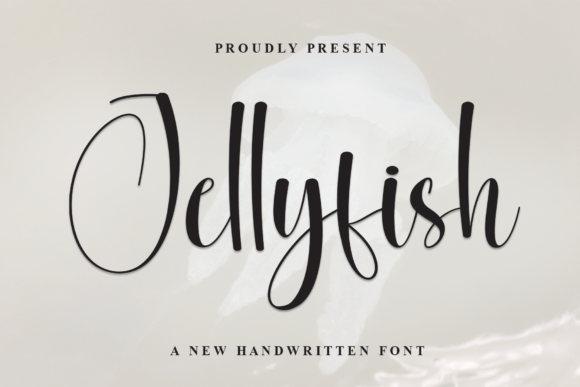
Imagine a typeface that feels like a friendly, confident whisper on the page, instantly making your design feel more personal and approachable. That’s the magic of the Jellyfish font, a modern handwritten script that captures the fluidity and charm of casual, elegant writing. In the world of graphic design, where first impressions are everything, selecting the right typography is a critical decision that shapes brand identity and user experience.
Understanding the Jellyfish Typeface
Jellyfish is more than just a script font; it’s a carefully crafted design asset. Its cohesive strokes and friendly appearance avoid the sometimes messy look of other handwritten styles, striking a perfect balance between personality and professionalism. This makes it a versatile tool for designers seeking to inject warmth and authenticity into a project without sacrificing clarity.
Its modern aesthetic aligns perfectly with current design trends that favor human-centered, organic visuals over sterile, corporate ones. For any creative project aiming to build a genuine connection with its audience, Jellyfish offers a powerful typographic voice.
Practical Applications Across Creative Projects
The true value of a font like Jellyfish is revealed in its application. It excels in contexts where a personal touch can significantly enhance communication and engagement.
- Branding and Logo Design: Ideal for boutique brands, artisanal products, and lifestyle businesses. It can form the basis of a logo or complement a clean sans-serif, helping to establish a distinct and memorable brand identity.
- Marketing & Social Media: Creates eye-catching headlines for social media graphics, email headers, and digital ads. Its friendly nature boosts engagement and makes promotional content feel less intrusive and more relatable.
- Editorial & Web Design: Perfect for pull quotes, section headings, or author names in blogs and magazines. In UI design, it can be used sparingly for special features or notifications to add a touch of personality.
- Packaging & Print Design: Brings a handcrafted feel to product labels, thank-you cards, and event invitations. It enhances the tactile experience of print design, making customers feel a personal connection to the brand.
Integrating Jellyfish into Your Design Workflow
Effective use of any creative asset requires thoughtful integration. To maximize the impact of Jellyfish, consider these practical tips from a professional design perspective:
- Prioritize Readability: While beautiful, script fonts can be challenging at small sizes. Use Jellyfish for headlines, accents, and short phrases rather than for long body copy to maintain a clear visual hierarchy.
- Ensure Consistency: A strong brand identity relies on consistent application. Define clear rules for where and how Jellyfish will be used across all touchpoints—from your website to your packaging—to create a cohesive brand system.
- Pair with Complementary Typefaces: Create dynamic contrast by pairing Jellyfish with a simple, geometric sans-serif or a clean serif font. This pairing enhances readability and creates a balanced, professional presentation.
- Test in Context: Always evaluate the font within your actual design layout. Check its performance against your color palette, imagery, and overall composition to ensure it enhances rather than distracts from your core message.
Ultimately, the choice of typography is a fundamental pillar of visual communication. Assets like the Jellyfish font provide designers, marketers, and business owners with the tools to craft more effective, engaging, and beautiful creative projects. By thoughtfully selecting and applying quality design elements, you elevate not just the aesthetics of your work, but its ability to connect, communicate, and leave a lasting impression.