Simphony: Elevating Design with Elegant Script Typography
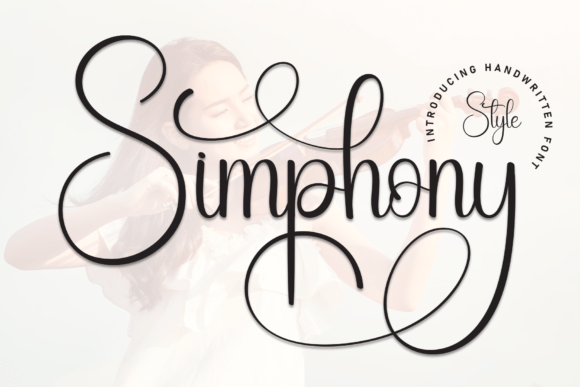
Imagine a typeface that instantly infuses your design with grace, personality, and a touch of timeless sophistication. That's the power of Simphony, a stylish and incredibly elegant script font. It looks stunning on wedding invitations, thank you cards, quotes, greeting cards, logos, business cards and every other design which needs a handwritten touch. This font is more than just letters; it's a creative asset that bridges the gap between formal typography and the intimate, personal feel of handwriting, making it a valuable tool in any designer's or creator's toolkit.
The Role of Script Fonts in Modern Visual Communication
In the world of graphic design and typography, font choice is a foundational decision that shapes perception. While sans-serifs project modernity and serifs suggest tradition, script fonts like Simphony communicate elegance, authenticity, and emotional resonance. They are powerful for creating a strong visual hierarchy, drawing the eye to key messages like headlines, quotes, or calls to action. When used thoughtfully, a script font can elevate a brand identity, making it feel more approachable, luxurious, or creative, depending on the context and accompanying design elements.
Practical Applications for Simphony
The true value of a versatile typeface lies in its application across diverse creative projects. Simphony's elegant flow makes it exceptionally adaptable.
- Branding and Logo Design: Use it to craft a distinctive wordmark or as a complementary accent font. It's perfect for boutique businesses, wedding planners, luxury goods, and artisan brands seeking a refined identity.
- Marketing Materials: From flyers and brochures to digital ads, Simphony can highlight special offers, testimonials, or brand slogans, adding a layer of sophistication that captures attention.
- Social Media Content: Create eye-catching quotes, announcements, and story graphics. Its handwritten aesthetic performs well on platforms like Instagram and Pinterest, where personal connection is key.
- Web and UI Design: Use it sparingly for hero sections, pull quotes, or decorative elements to break the monotony of standard web fonts and enhance user engagement without compromising readability.
- Packaging and Editorial Design: On product labels, book covers, or magazine layouts, Simphony can add a high-end, artisanal quality that influences consumer perception and strengthens brand storytelling.
Tips for Effective Implementation
Integrating a script font effectively requires more than just placement; it demands strategic consideration. Always prioritize readability, especially at smaller sizes or on complex backgrounds. Pair Simphony with a clean, neutral sans-serif or serif font to create balance and ensure body text remains legible. Consider the color palette and composition—a delicate script often works best with ample whitespace and harmonious colors. Test scalability across different mediums, from a tiny favicon to a large-format print, to ensure the design remains polished and professional.
Aligning Typography with Design Goals
Your typography is a direct line to your audience's emotions. When selecting any creative asset, including fonts, align it with your project's core message and audience expectations. A script like Simphony communicates care, attention to detail, and a human touch. It enhances user experience (UX) by making digital and print interfaces feel more curated and less sterile. This thoughtful approach to visual design strengthens brand recall and can significantly improve the effectiveness of your communication, whether in advertising, editorial layouts, or merchandise design.
Ultimately, the quality of your creative assets directly reflects the quality of your brand or project. Choosing a font like Simphony is an investment in clear, beautiful, and effective visual communication. By understanding its strengths and applying it with intention, you can transform standard designs into memorable experiences that resonate deeply with your audience, proving that in design, the details are everything.